- Trail Runner Australia
- Posts
- How quickly will I lose my fitness?
How quickly will I lose my fitness?
What does it mean for your base if you've been forced to take a break from running? And what's the best way to regain any ground lost?

Stuart Watt
December 05, 2025
In partnership with


I’m back running, but how long will it be before I feel fit again?
I’ve been enduring an enforced break from running since returning from the New York Marathon a month ago. The reason - to cap off the year that just keeps on giving, I had minor surgery in mid-November.
Apologies if I’m sharing too much here, but it was a haemorrhoid operation. The surgeon warned me beforehand it’s one of the most painful operations there is. And it didn’t disappoint.
So running has definitely not been an option. Neither has any kind of cross-training. Instead, I’ve spent much of the past month wallowing in self-pity.
In happier news, I’ve started running again in the past few days, and it’s made me wonder how much fitness I may have lost, and how I should approach returning from my break. Given I don’t have a coach, I’ve done some research and this is what I’ve found. (There is more on how I approached the research task in a box at the bottom of this piece.)
Free email without sacrificing your privacy

Gmail is free, but you pay with your data. Proton Mail is different.
We don’t scan your messages. We don’t sell your behavior. We don’t follow you across the internet.
Proton Mail gives you full-featured, private email without surveillance or creepy profiling. It’s email that respects your time, your attention, and your boundaries.
Email doesn’t have to cost your privacy.
There are a bunch of studies on this and the findings seem pretty consistent. Firstly, it seems the first thing to go is endurance. Speed lingers a little longer and strength is the last to go. There is no shortage of detail in these studies, but below I’m focused on my biggest concern - my endurance fitness.
Bearing this in mind, I’ve picked out VO2 max as the measure to concentrate on because it’s a good proxy for general fitness. If you’re not familiar with it, VO2 max is the maximum amount (volume) of oxygen (O2) your body can use while exercising intensely.
It measures the efficiency of three things - how you get air into your lungs, how your heart and blood vessels transport it around your body, and how well your muscles metabolise that oxygen to turn it into energy.
Your VO2 max is expressed as a score, which represents millilitres of oxygen consumed per minute per kilogram of body weight (mL/kg/min). According to my Garmin, my VO2 score is 52. I’ve never had it tested in a lab though. It’s always struck me as a bit high.
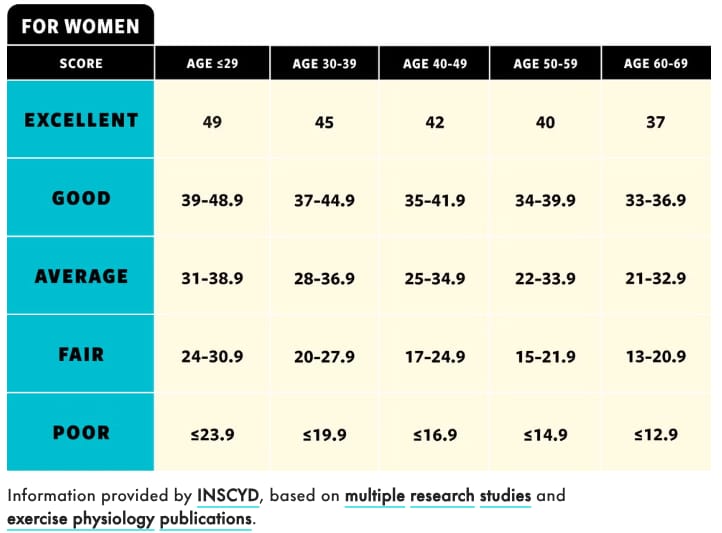
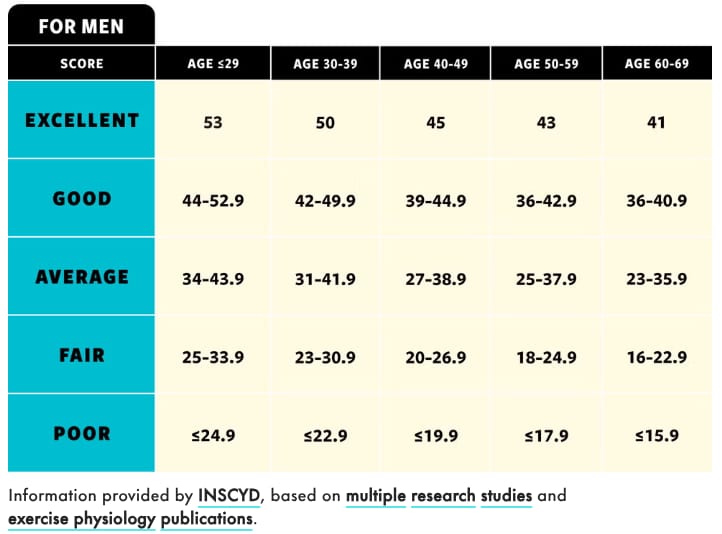
The good news is, if you’re only out of action for a couple of weeks, the drop off is quite modest. No two people are identical, but the studies suggest this (assuming a person has at least a solid 6 months of base training prior to the lay-off):
Out for 1-2 weeks: roughly 5-6 per cent reduction in fitness
Out for 4-9 weeks: 8-20 per cent reduction
Out for 6 months: back to your base fitness
The pace of the decline varies according to a number of factors. You get less fit more quickly as you age. The same applies to people who don’t have a good aerobic base. It’s also more difficult to come back after illness or injury rather than a break for other reasons - because you’ve been on holiday for example - so you’ve still be active, just not out running.
The comeback trail
Firstly, I’m happy to say much of what follows is really just commonsense. But the trouble with commonsense is it’s not always that common. So I’m sharing it in any case.
The first, and I think most sage, piece of advice from my research is not to worry about pace, but instead focus on relative perceived effort (RPE). It makes sense that, after a break, you’ll be working a little harder to hit the pace benchmarks you’re used to.
Your health is your power.
Subscribe to Livelong and get current, clinically grounded insights on diet, exercise, supplementation, and restorative sleep—pulled from the latest research and turned into do-this-now checklists. Information for serious health enthusiasts, Livelong makes longevity practical, measurable, and real.
So instead of looking at your watch, focus on effort. That way you’ll be running at a level your body is used to and can handle even if it’s a bit slower than normal. This might mean you need to take a run-walk-run approach for a time. And that’s okay.
The next piece of advice is start slow and build up gradually. Just accept you will have lost some fitness and that you will have to work - for at least some time - to regain it. Be consistent, but resist the temptation to run every day.
Set yourself a training program, but make it realistic. Then stick to it. Remember the 10 per cent rule, never increase your weekly mileage by more than 10 per cent from one week to the next. This should apply at all times, but is particularly important on the comeback trail.
Finally, be intentional about all the other factors that influence your running - sleeping well, eating well, strength training and focusing on your running form.
What does it all mean?
My take away is that while it may be a bit of a struggle to be hitting the trails again, patience and being realistic are the order of the day.
A relatively short lay-off like mine should be pretty easy to bounce back from - even despite the fact I hadn’t run much (apart from the small matter of the NY marathon) in the previous two months.
The biggest temptation is going too hard, too early which brings with it an elevated risk of injury. And that would make an already frustrating situation worse. So I won’t be doing that.
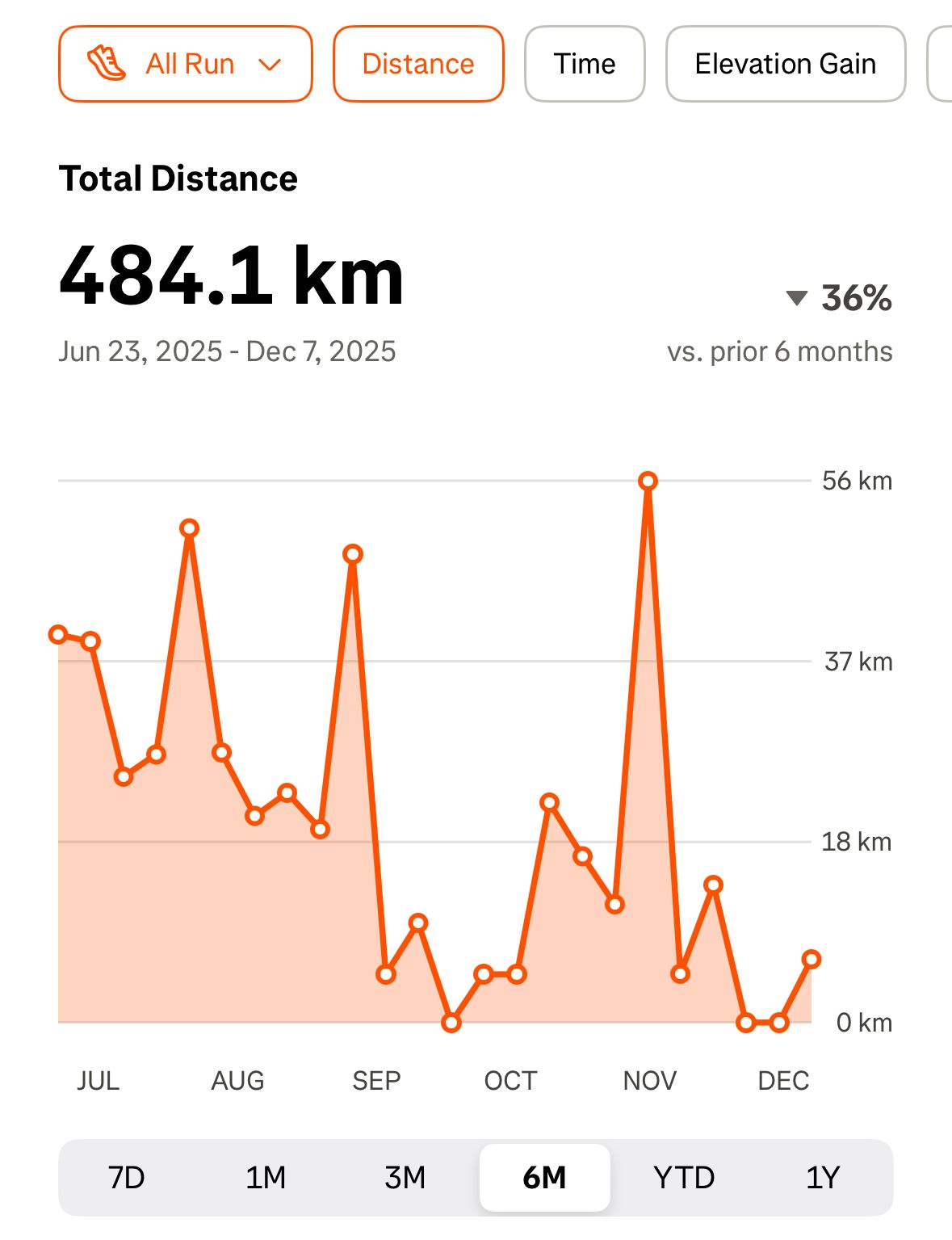
My activity in the past six months shows a pretty dramatic drop-off starting in September.
I’ve never had hugely high mileage, but the graph above shows just how little I’ve been running since my cardiac ablation in September. If you take the 42k marathon out of November, that graph is pretty flat over the past 3-4 months.
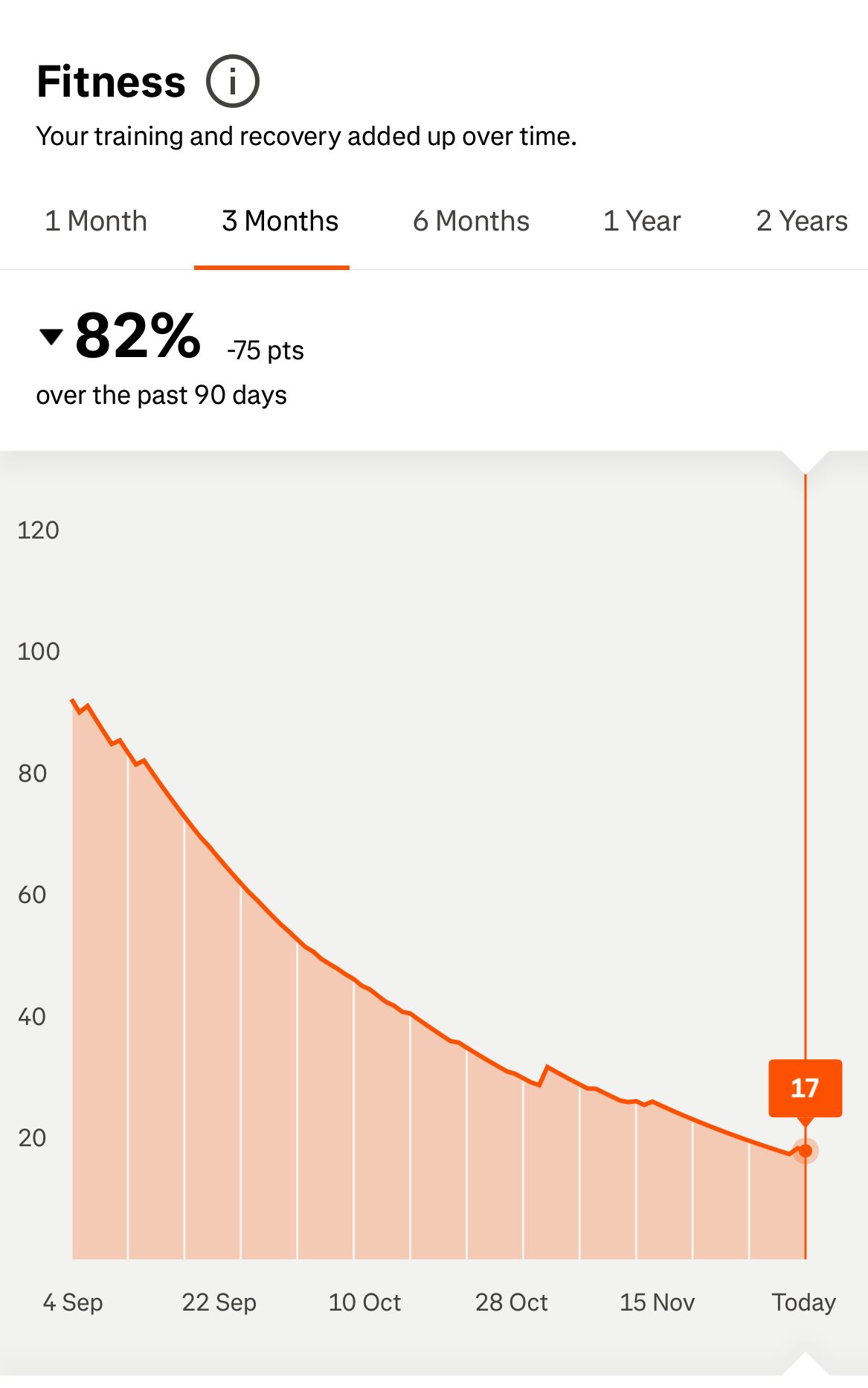
Strava is not impressed with my current trajectory.
Strava certainly thinks I have my work cut out to get back to where I was at the start of September. But having said that, heart rate is no doubt a key contributor to this projection and mine is hardly a consistent or trustworthy metric at the moment, given my ongoing atrial fibrillation adventures.
It will be very interesting to see how this progresses over the next month or so if I can stick to my own advice and take a methodical approach to returning to a full training load.
Pet insurance can help your dog (and your wallet)
Did you know 1 in 3 pets will need emergency treatment this year? Pet insurance helps cover those unexpected vet bills, so you can focus on care—not cost. View Money’s list of the Best Pet Insurance plans and protect your furry family member today.
Finally, it’s also occurred to me that this break might just be a good thing for my running in the longer term. It’s given my body time for the all other little niggles to clear up. And it’s given me the opportunity to start 2026 in a steady, planned way rather than just rolling along the way I normally do.
So we’ll see what happens. One whole run in and it’s a case of so far, so good. Time will tell if it stays that way.
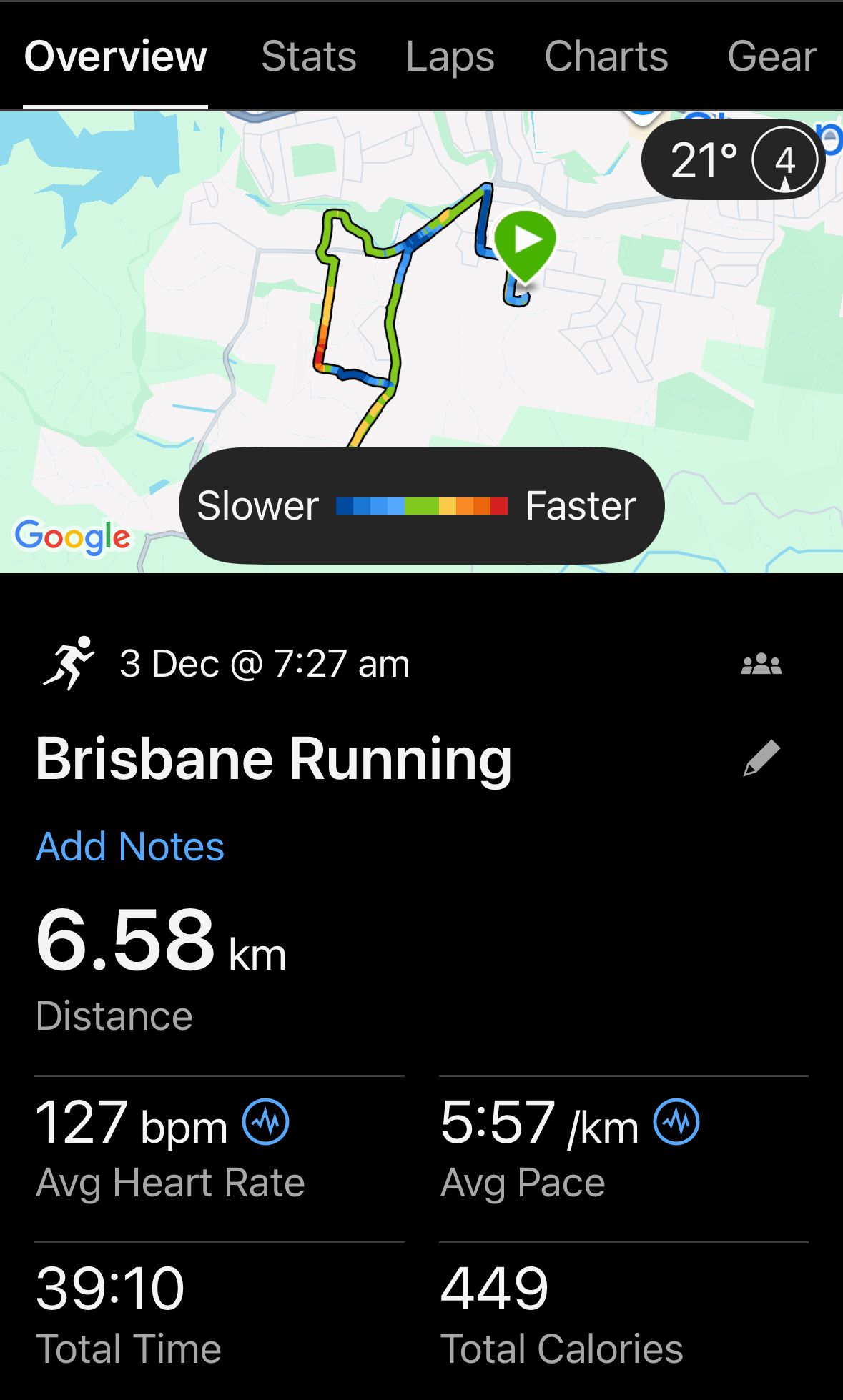
Run number 1 post operation. So far, so good.
A note on how I approached the research … there is quite a bit of academic research on the impact of “detraining”, as they call it, on athletes. The studies look at all kinds of different athletes, from elite to serious recreational to enthusiastic amateurs like me.
To be honest, these studies get very complicated very quickly. And they are written in language that’s pretty impenetrable. So I looked at a handful of papers and drew my own conclusions from them. I then looked at the way other journalists have reported similar studies.
Then I took one paper, which had examined a number of different studies on this subject, plugged it into an AI model and asked it to give me the findings in layman’s terms. And it came up with the same broad conclusions.
So while there is nuance in the results these studies have produced, I’m confident what I’ve reported above is broadly accurate.
There is so much more information in the research - but I’ve focused on VO2 max as it’s a commonly used vector for fitness in everyday runners like me.
References
Upcoming Events
There are way too many events for me to list everything that’s happening around the country, but here is a selection of upcoming races (with a bias towards South East Queensland).
Event | Location | Date |
|---|---|---|
North Dandalup, WA | 21 December, 2025 | |
Falls Creek, Vic | 31 December, 2025 | |
Sunshine Coast, Qld | 31 December 2025 | |
Tamborine Mountain, Qld | 25 January 2026 | |
Beerwah, Qld | 31 January 2026 | |
Brisbane, Qld | 1 February 2026 | |
Robe, SA | 7 February 2026 | |
Kosciuszko National Park, NSW | 14 February 2026 | |
Wilson’s Promontory, Vic | 21 February 2026 |
The Running Calendar website is a great source if you want a comprehensive understanding of what’s available around Australia.